


Curriculum
CCTV Installation Fundamentals
Introduction
0/1
Module 1: Introduction to Surveillance Systems
0/6
Module 2: Planning & Site Survey
0/4
Module 3: Cabling, Connectors & Power
0/3
Module 4: Hardware Assembly & Component Connections
0/4
Module 5: Hardware Installation, Setup & System Configuration
0/6
Module 6: System Testing, Maintenance, Troubleshooting & Safety
0/5
Final Exam
0/2
Text lesson
Lesson 1.1: System Types (Analog HD, IP, and XVR Hybrid)
1. Analog HD Systems (AHD, TVI, CVI, CVBS)
Analog HD systems capture video at the camera and transmit it as an uncompressed electrical signal over coaxial cables to a central Digital Video Recorder (DVR)
-
Core Recorder: Requires a DVR (Digital Video Recorder)
-
Cabling: Connected using coaxial cables (RG59 or RG6)
-
Power Delivery: Requires a separate dedicated 12V DC power supply; coaxial cable carries video only
-
Key Advantage: Cost-effective, simple plug-and-play wiring with zero network latency
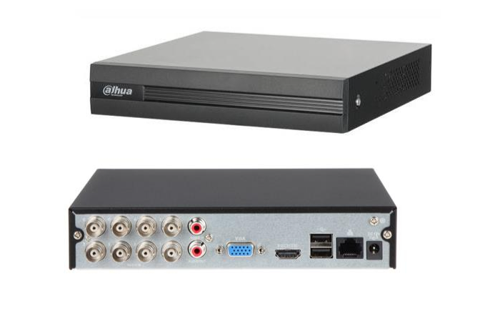
⚠️ Installer Tip: Analog cameras cannot operate over network cabling without special adapters (baluns), and they cannot process digital data onboard.
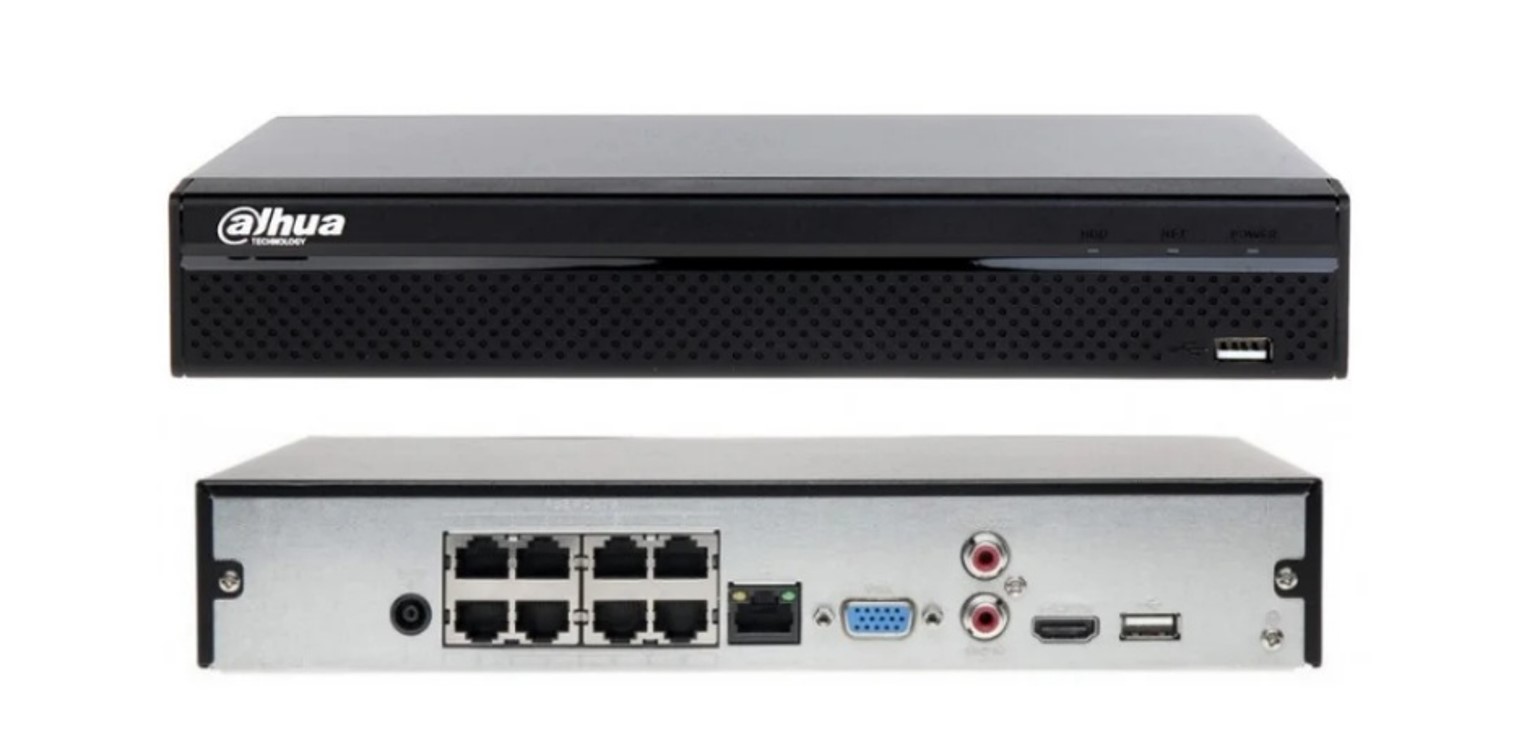
2. IP Camera Systems (Network Video)
IP (Internet Protocol) systems function like tiny computers. Each camera processes its own digital video stream and transmits it over a local area network to a Network Video Recorder (NVR)
-
Core Recorder: Requires an NVR (Network Video Recorder)
-
Cabling: Connected using Ethernet network cables (CAT5e or CAT6)
-
Power Delivery: Powered directly through PoE (Power over Ethernet) via the network cable, or via an external DC supply
-
Key Advantage: Higher resolution capabilities, advanced onboard analytics, and single-cable deployment for power and video
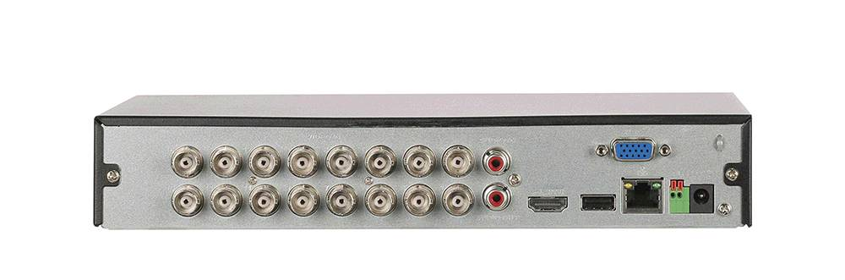
3. XVR Hybrid Systems
An XVR is a flexible, hybrid recorder designed to bridge the gap between legacy analog systems and modern IP technology
-
Core Capability: Simultaneously records video from analog formats (HDCVI, AHD, TVI, CVBS ) and network IP cameras
-
Best Use Case: Upgrading existing installations where legacy coaxial cables must remain, but new IP cameras need to be added to expand coverage
-
Bonus Features: Often includes built-in smart features like motion detection and perimeter analytics across standard channels
See lesson materials for Systems Types Cheat Sheet.
Lesson Materials
